

History
CAMPO is a Ghent-based, internationally oriented arts centre that develops, produces and presents bold and innovative forms of contemporary performing arts. All this happens at two locations in Ghent: CAMPO nieuwpoort (located in the Nieuwpoort street) and CAMPO victoria (on the Fratersplein). CAMPO’s current work is inextricably linked to a host of predecessors, artists and backgrounds that have shaped CAMPO into what it is today.
CAMPO’s history can be split into several key periods.
(Oud Huis) Stekelbees
Starting in 1974, a Brussels puppet theatre called Stekelbees performed children’s shows during the Ghent Festivities. They introduced a new form of children’s theatre, staging performances in Ghent, as well as at youth centres throughout Flanders. They also campaigned for the preservation of green spaces, and marched through the city in protest, advocating for more playgrounds, among other things. As they lacked their own venue, the Stekelbees children’s afternoons were staged in the Vooruit. From this emerged the Stekelbees Festival, to which many international children's theatre companies were invited.
At the instigation of Herwig Deweerdt and Harry De Cuyper, they remained in Ghent to found the critical children’s theatre Stekelbees, together with Paul De Braeckeleer. In 1987, Antwerp-based theatre-maker Guy Cassiers became artistic director, and Stekelbees moved to the Fratersplein. Stekelbees became Oud Huis Stekelbees. As well as children’s theatre, Oud Huis Stekelbees presented a new programme targeted more at adults, featuring high-profile productions including Mouchette by Arne Sierens, Parade, and The hunting of the snark, both directed by Cassiers. Well-known actors such as Katrien Devos and Daan Hugaert were also involved with Stekelbees. Later, Cassiers went on to become the artistic director of Toneelhuis for fifteen years.
Nieuwpoorttheater
In the early 1980s, Ghent’s cultural landscape was marked by a strong development in the theatre scene. Responding to a thirst for innovation, new theatre venues popped up across the city. These developments unfolded during the boom period of the so-called “Flemish Wave”. In that context, another theatre emerged near Sint-Jacobs: Nieuwpoorttheater, which would later also undergo a rich evolution.
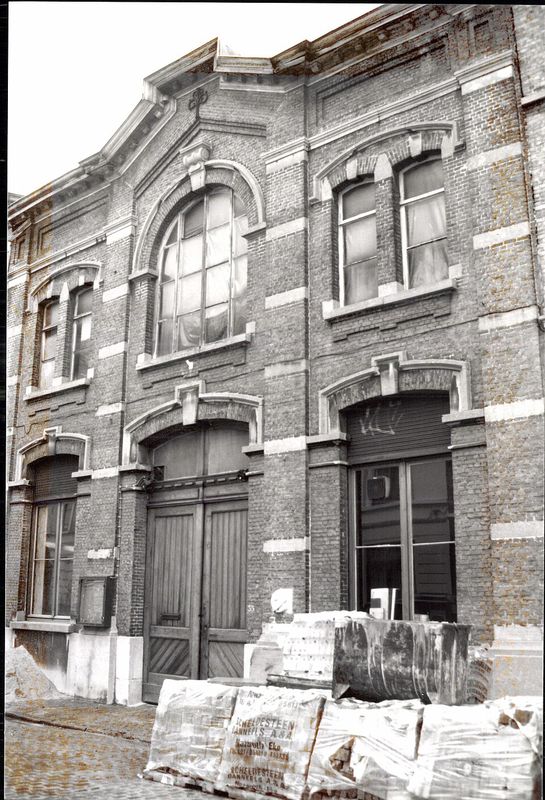
At the instigation of Walter De Buck, the Ghent Festivities became so successful that it was necessary to expand the festival area. The solution for a new theatre was found in an old warehouse in nearby Nieuwpoort, owned by the former Excelsior brewery. In 1981, the building was purchased by Trefpunt. However, conditions remained basic and unsafe. Only after some renovations did it become a theatre, at first operational only during the Ghent Festivities.
The next key phase was the transfer of the building to young Ghent theatre-makers, who renamed the organisation Nieuwpoorttheater. Driving forces included Alain Platel, Johan Dehollander, Arne Sierens and Dirk Pauwels, who in 1984 was appointed artistic director and business [VM1] director. The theatre officially opened on 14 July 1984. It became a cutting-edge breeding ground that deviated from the then-ageing [VM2] theatre movement. Nieuwpoorttheater’s goal was to be a multidisciplinary arts centre and production platform, with an open attitude towards new creations.
Support
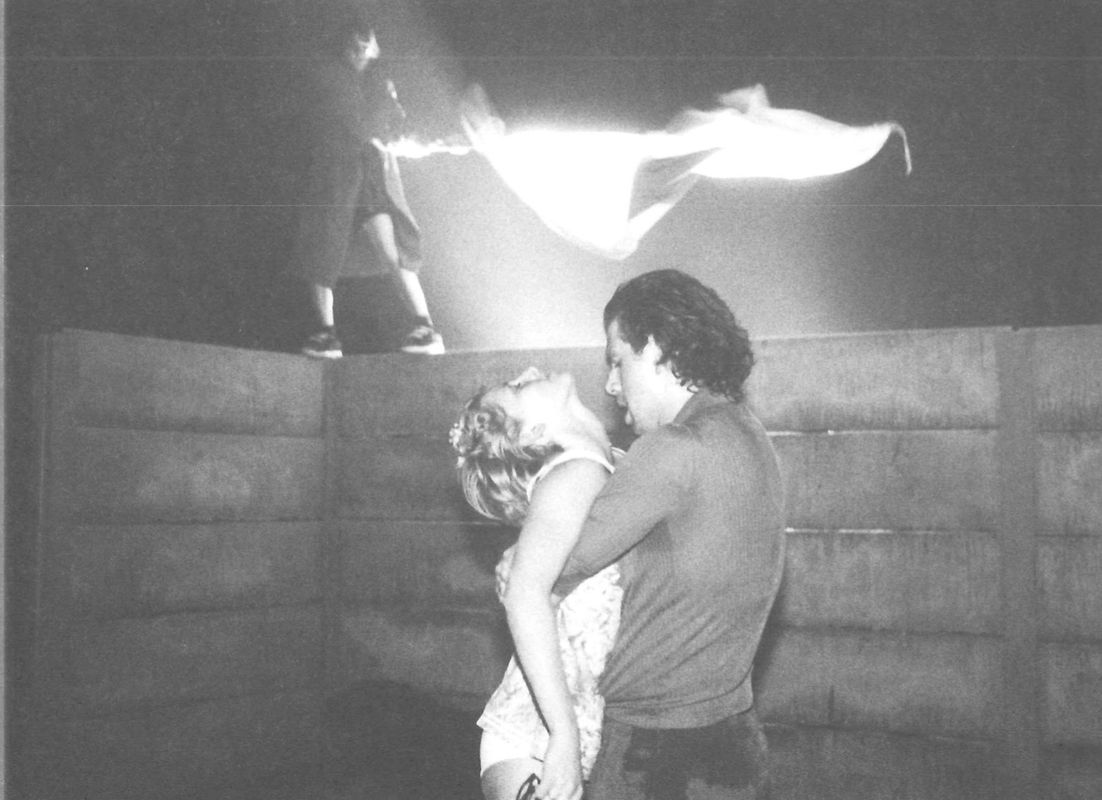
Under Pauwels’ leadership, Nieuwpoorttheater supported numerous (Ghent-based) homeless and travelling theatre collectives and consistently stood for quality. A variety of artists and theatre makers, including Alain Platel, Arne Sierens and Eric De Volder developed a close, productive relationship with the organisation. For some time. Platel’s les ballets C de la B was Nieuwpoorttheater’s house company. Other names that would later become prominent also appear in its history: Tom Lanoye created Slagerszoon met brilletje, Kamagurka and Herr Seele organised the Humor Festival, and many more.
In the 1990s, Nieuwpoorttheater underwent a turbulent period. Pauwels left the organisation, continuing his career as the artistic director of a theatre on the Fratersplein, which he named Victoria. Under the new artistic leadership of the trio Stef Ampe, Arne Sierens and Johan Dehollander, the theatre transitioned from a multidisciplinary arts centre to a “multi-type theatre”. The arrival of Geert Opsomer breathed new life into the organisation, shifting the focus again—this time towards research and presentation. Under his direction, Nieuwpoorttheater was reshaped into what he dubbed a “postcolonial community centre”.
Because of falling safety standards, a first phase of renovation was needed. In 1996 and 1997, the building beside the theatre was purchased. Between 2002 and 2004, the complex underwent further renovation. The extensive demolition and reconstruction works on the site at the time—including the rear building in the IJkmeesterstraat—necessitated a temporary move to the Visserij.
A development that would later prove crucial to CAMPO was Nieuwpoorttheater’s launch of a programme that questioned the meaning, relevance, purpose and forms of art and arts centres on the cusp of the 21st century. Fundamental research was conducted into the relationship between art, community, cultural identity, popular culture, power and social context. At Nieuwpoorttheater, a large movement of artists gathered, creating and presenting art from a socially conscious mindset without losing their artistic identity. Audiences were alternately guests, participants, invitees or witnesses.
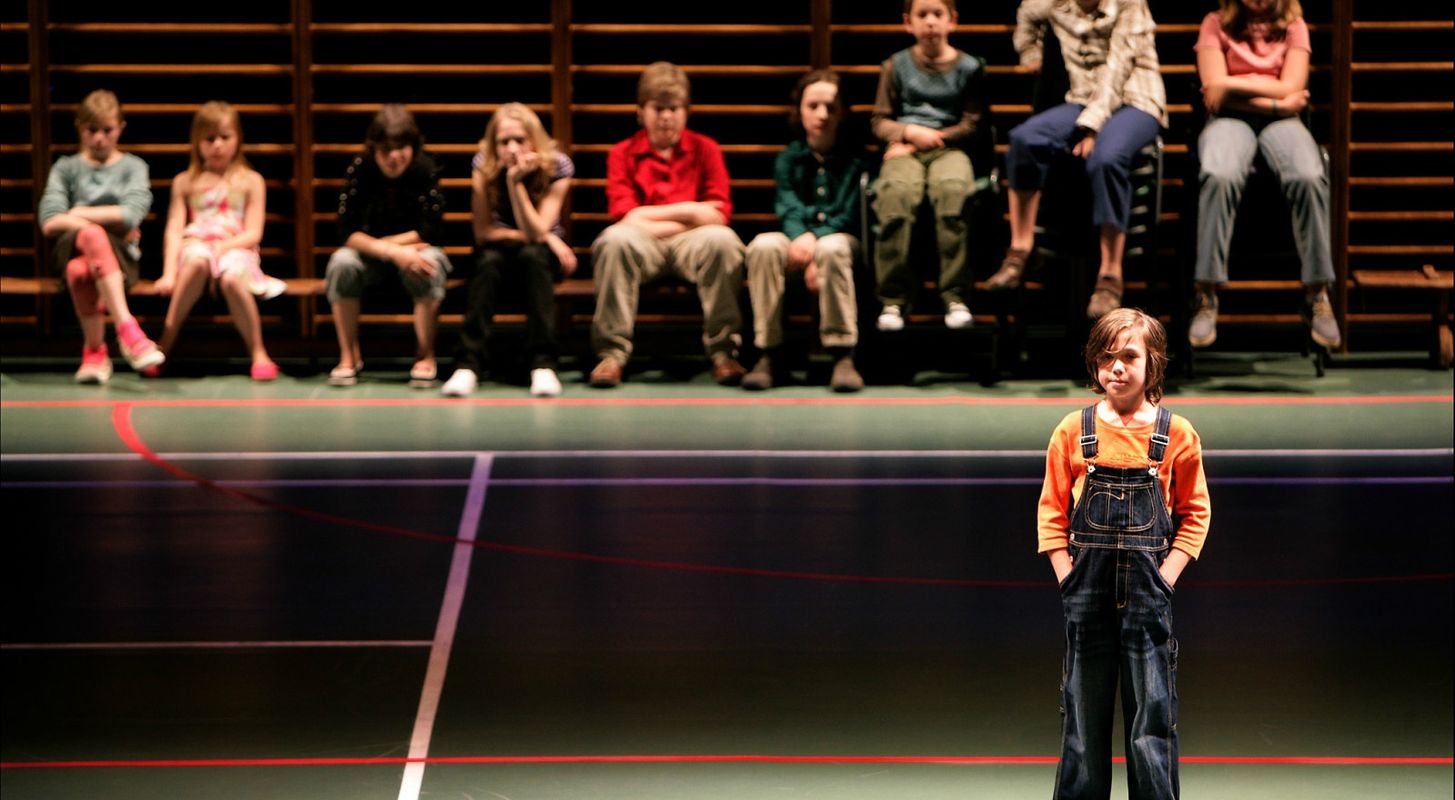
The birth of Victoria
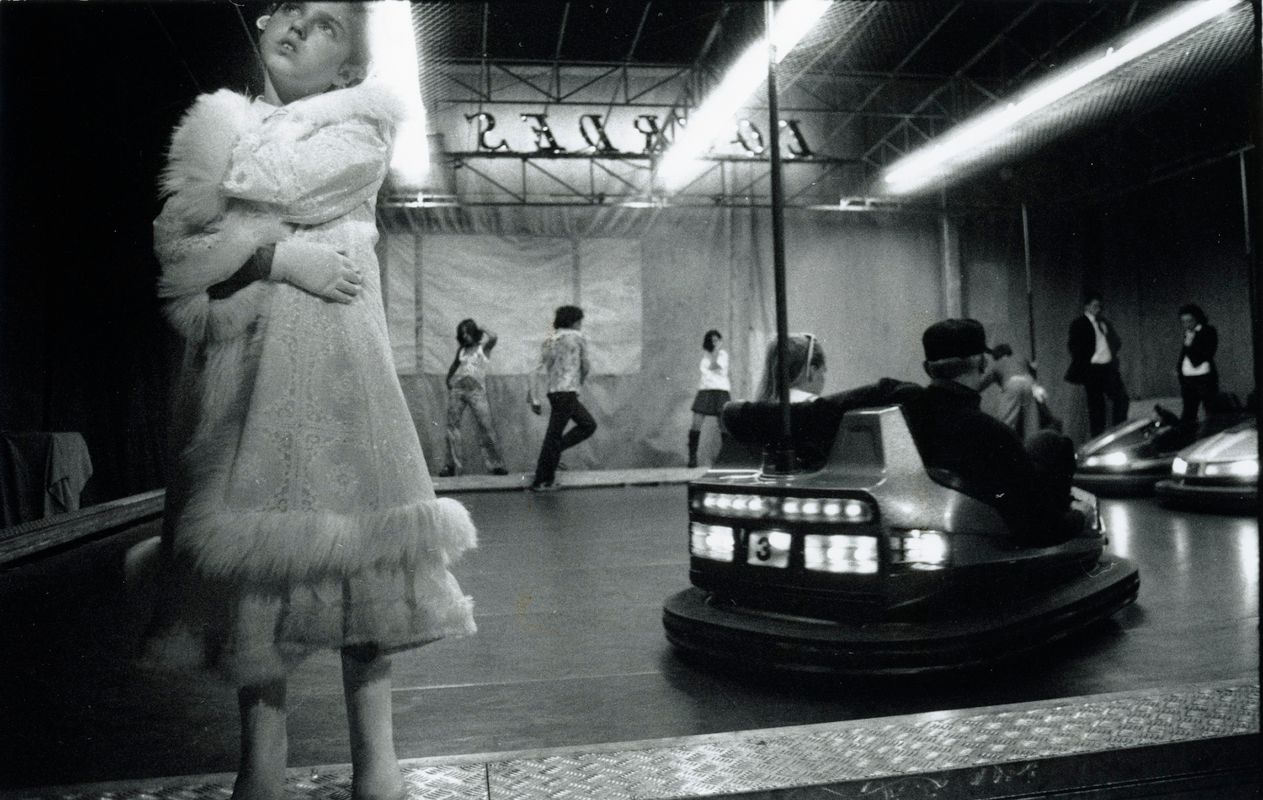
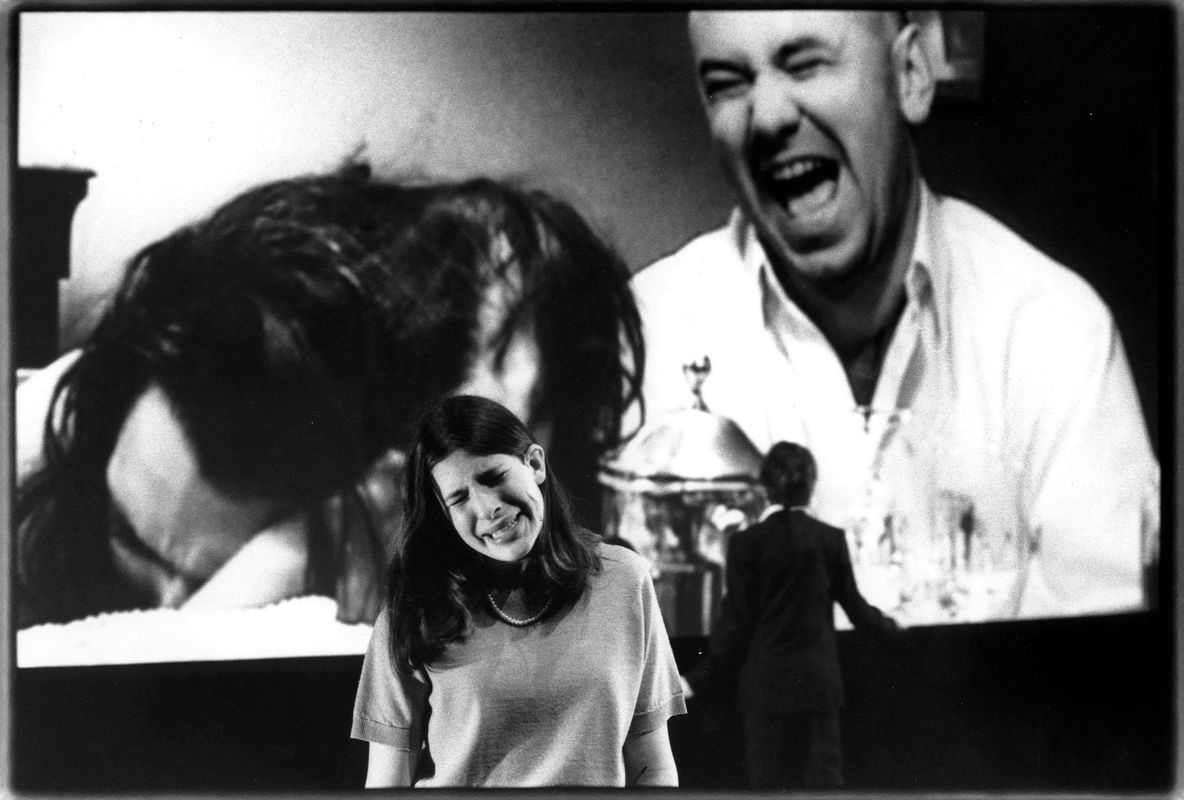
In 1992, Dirk Pauwels left Nieuwpoorttheater to found his own production house, renaming Oud Huis Stekelbees ‘Victoria’. Pauwels entrusted the artistic leadership to three artists who used innovative, unconventional methods: Alain Platel, Frank Theys and Pol Hoste. The structure explored possible cross-pollination between theatre and other art forms. In addition, Pauwels maintained an open and anti-authoritarian policy. Theatre-makers were given the artistic freedom they needed to develop their trajectories. The theatre house aimed to support makers in transitioning from the artistic fringe to the professional field, with Pauwels often acting as a mentor.
From 1993 onwards, Victoria presented its own work and bespoke festival productions during the Stekelbees Festival. This festival tradition would become central to Victoria’s identity. Pauwels describes it as Victoria’s “conscience”, where it returns to the essence. Noteworthy projects included Ja, wacht! (with 30 young people, part of Antwerp ’93); KORSTMOS (a platform for young talent); and The Best Belgian Dance Solo, from which Sidi Larbi Cherkaoui, among others, was selected.
The artists helped shape the house. Like Nieuwpoorttheater, Victoria experienced a golden artistic period with a series of memorable productions, such as the collaboration between Arne Sierens and Alain Platel resulting in the ‘children’s trilogy’: Mother and Child, the internationally touring Bernadetje (featuring An Pierlé and Lies Pauwels), and Allemaal Indiaan (with Johan Heldenbergh, among others). Pol Heyvaert founded the youth collective Kung Fu with Felix Van Groeningen and Jonas Boel, and later created Aalst (with Dimitri Verhulst). Nachtschade—featuring seven striptease dancers performing under the direction of Alain Platel, Wim Vandekeybus, Vera Mantero, Johanne Saunier, Caterina Sagna, Eric De Volder and Claudia Triozzi—became part of the Victoria canon, as did üBUNG by Josse De Pauw and That Night Follows Day by Tim Etchells. In 2006–2007, Victoria also launched DE BANK, a project in which six artists completed simultaneous full-time residencies for two years: Ben Benaouisse, Filip Berte, Manah Depauw, Tanya Hermsen, Yahya terryn and Miet Warlop.
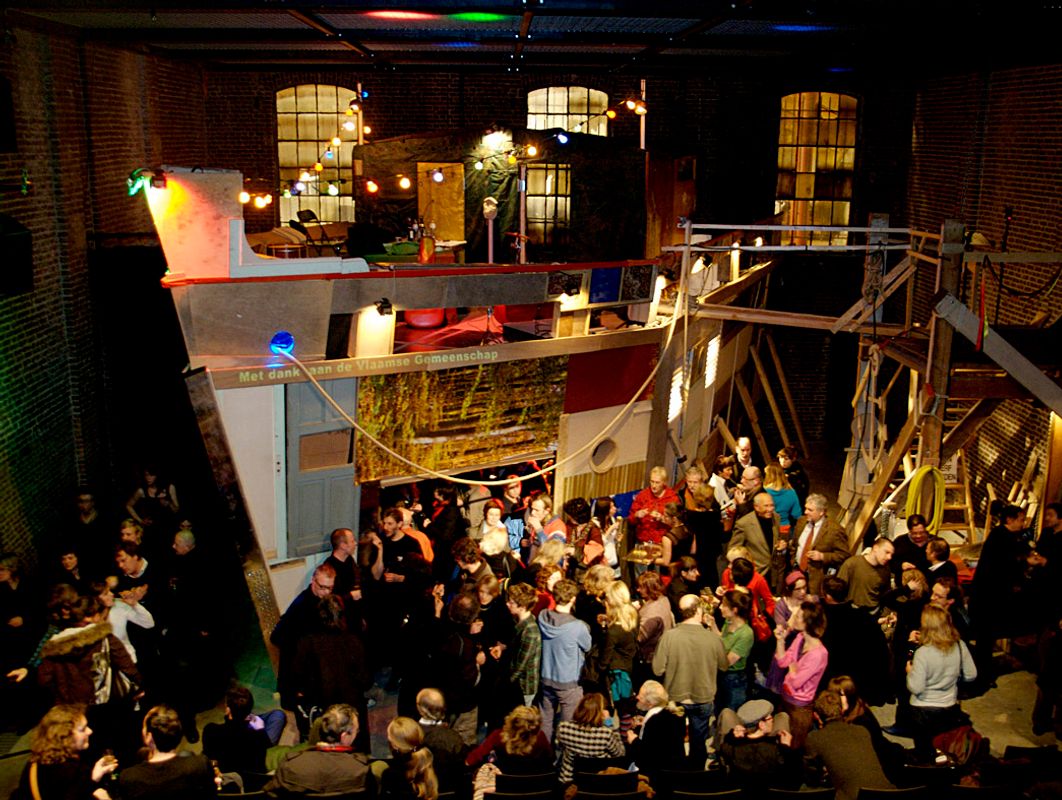
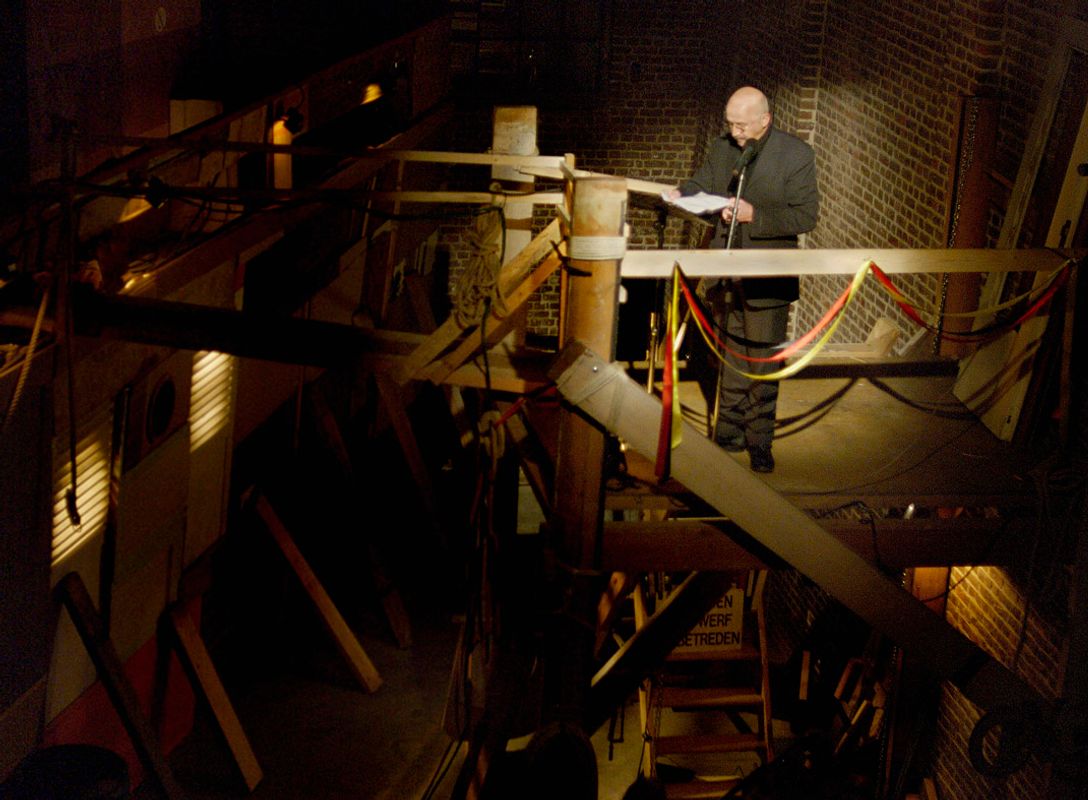
The merging of Victoria and Nieuwpoorttheater
Both houses had a distinct identity, but shared a passion for innovation, and a desire to provide a platform for artists who venture off the beaten track. In 2005, Victoria and Nieuwpoorttheater decided to join forces. This collaboration was not a simple sum of their parts, but a deliberate choice to combine both houses’ strengths: Victoria’s international reach and production power, and Nieuwpoorttheater’s expertise in development and presentation.
In January 2008, this merger led to the founding of the arts centre CAMPO. The name, meaning “field” in Italian and Spanish, was chosen to symbolise the openness and dynamism of the new organisation: a field in which the work of artists and ideas can flourish freely. CAMPO established itself at the historical sites of its predecessors: CAMPO nieuwpoort on the Nieuwpoort street, and CAMPO victoria on the Fratersplein.
The expertise of both houses underpinned CAMPO’s new artistic plan. Their fusion not only increased scale, but also enhanced both scope and dynamism: CAMPO became an arts centre focused on production, presentation, distribution, development and research—functions that were closely interwoven. Gradually, grassroots input grew in importance, acting as an antenna for young talent. This sat alongside sustainable artistic development (through residencies, slowing down and support) and pathways for progression.
From the start, just like its predecessors, CAMPO produced a rich diversity of makers who created very different types of work. With some artists, it established successful long-term trajectories: Pieter Ampe, Sarah Vanhee, Florentina Holzinger & Vincent Riebeek, among others. For other projects, renowned makers were invited to create performances with children for adult audiences: Gob Squad, Jan Martens & Peter Seynaeve, Philippe Quesne and Milo Rau.
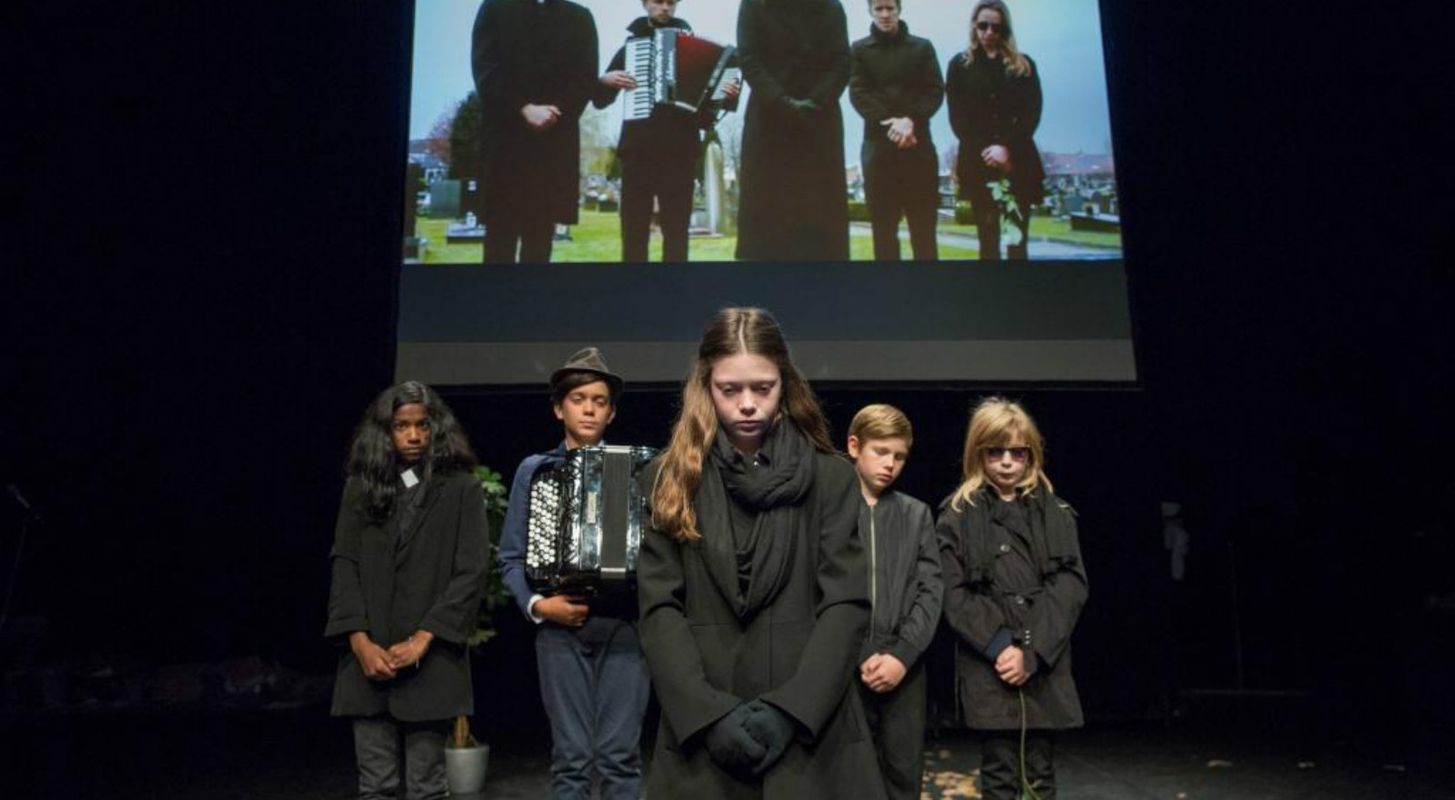
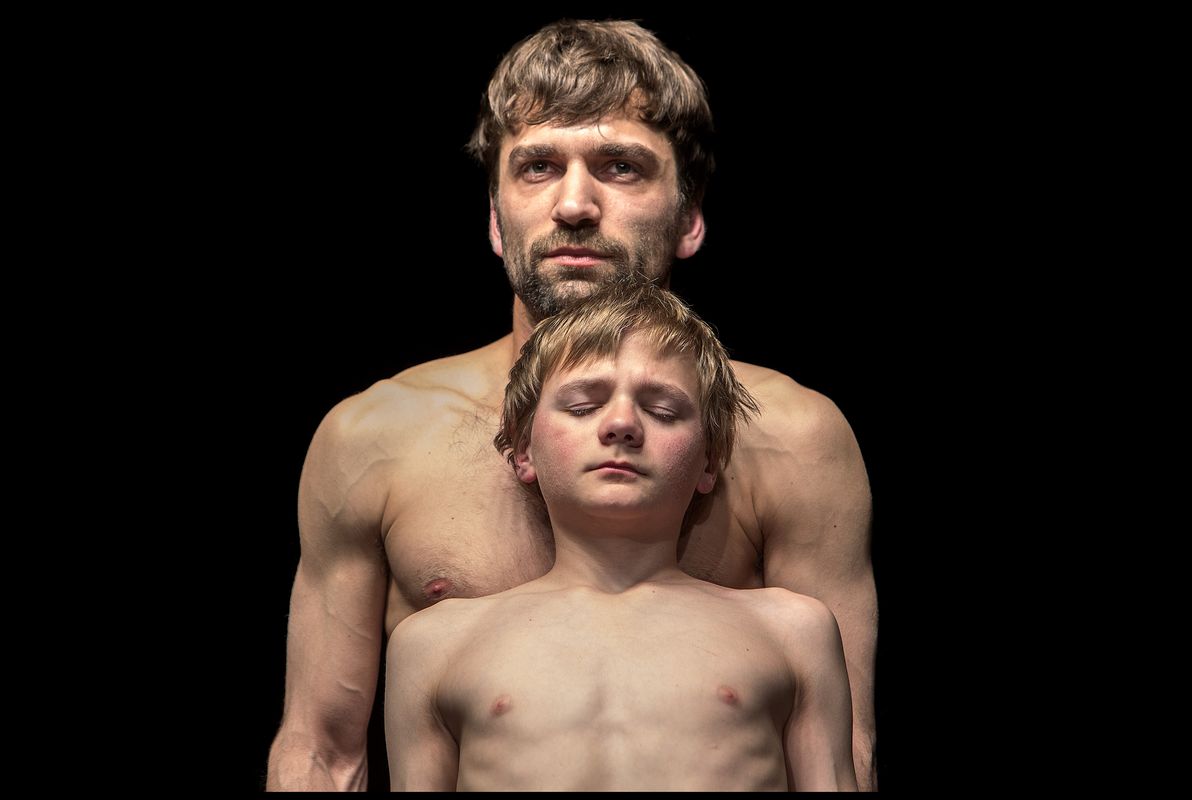
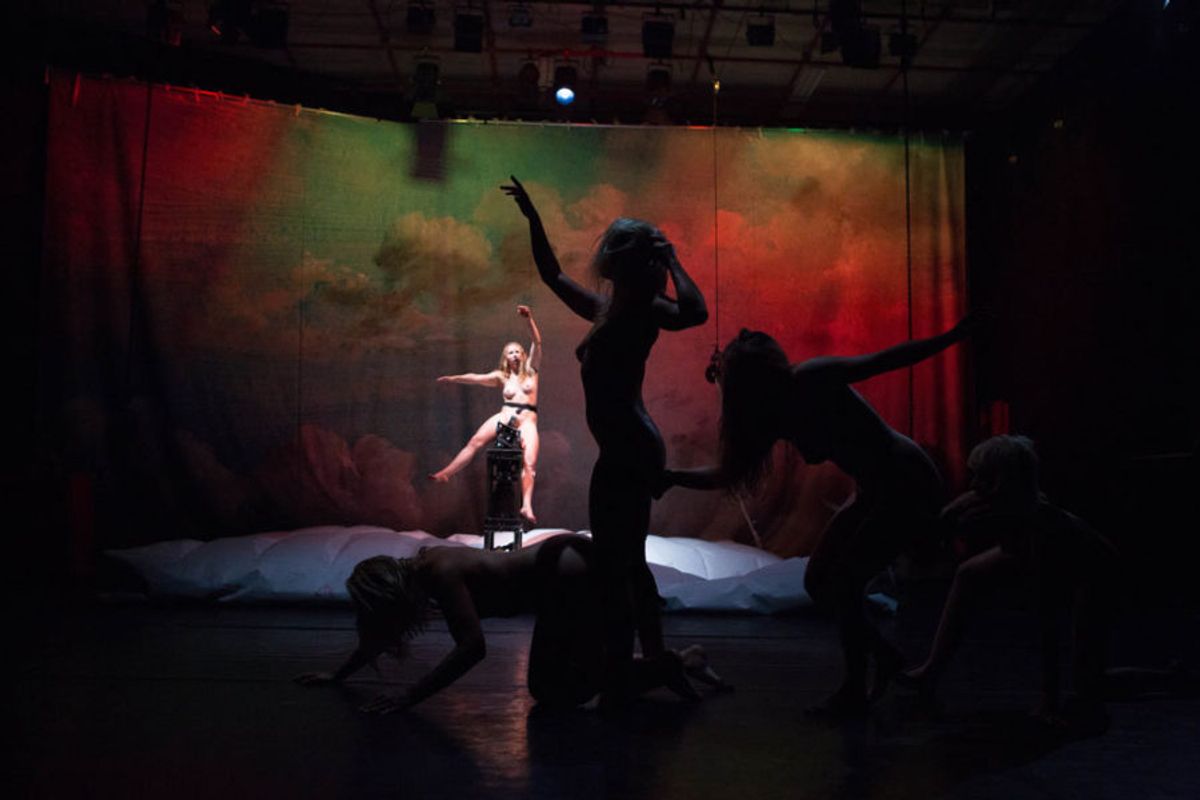
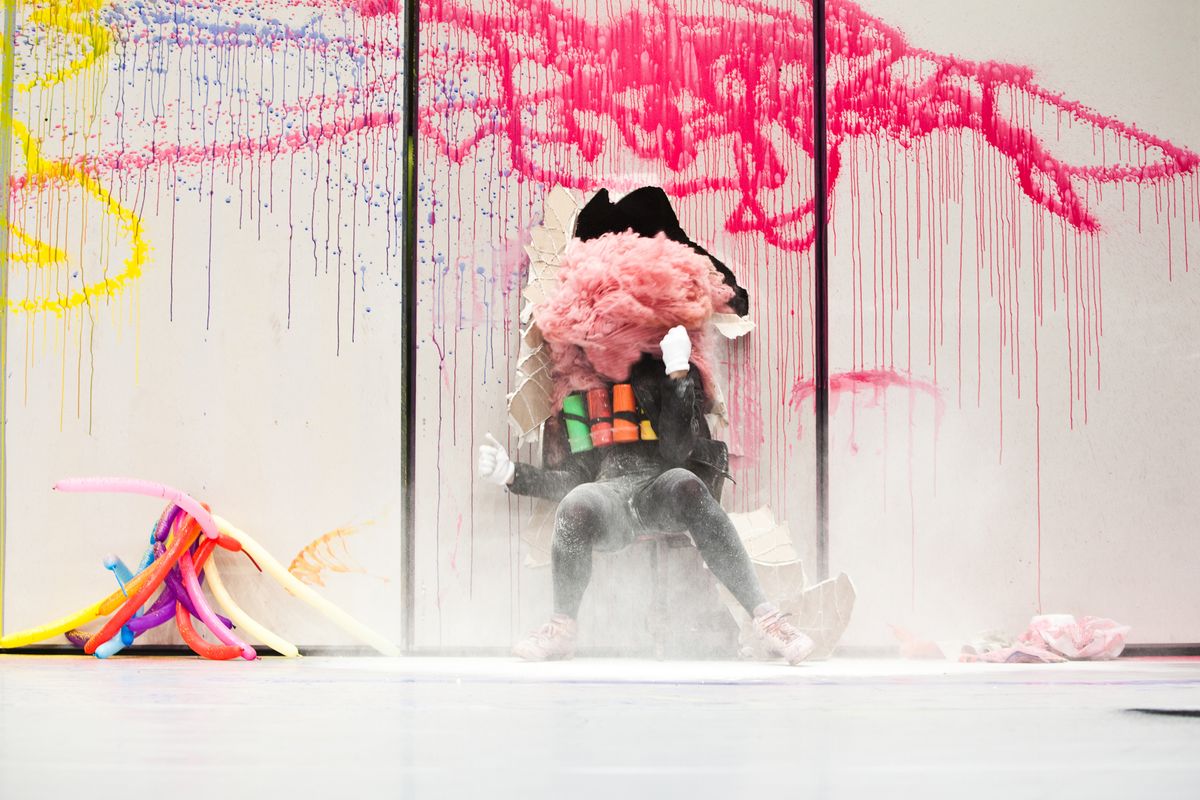
At its launch, CAMPO’s programming mainly focused on artists and companies with roots in Nieuwpoorttheater, or on those somehow connected to Victoria or Nieuwpoorttheater. Soon, however, the framework for programming broadened—to include new, young and/or relatively unknown makers—and became more international. The aim was to strike a good balance between Flemish and international work; between dance, theatre and performance; and between young and more experienced artists. Additionally, several artists were in residence at CAMPO at any given time. Long-term artistic trajectories were developed with some makers, emphasising tailored guidance and development.
A fourth function emerged: participation. From 2022 onwards, CAMPO developed a new participatory programme at its third location, CAMPO boma (a site that had mainly been used as artist studios since 2007): DE BOMA. From 2022 to mid-2024, DE BOMA opened its doors to initiatives by, with and for the neighbourhood. In 2024, DE BOMA ended and the site was later relinquished. Also important in the participatory context were the monthly community kitchens (Buurtkeukens).
At the end of 2011, Dirk Pauwels retired, and Kristof Blom became CAMPO’s new artistic director. Under Blom, CAMPO continued to focus on production, development, presentation and participation. Emphasis was placed on (inter)national co-productions and long-term collaborations with artists. Makers could develop artistic trajectories at CAMPO, deepen their practice, and experiment in a protected environment. In addition, the residency programmes and the support for artists became increasingly important to CAMPO’s identity.
To this day, CAMPO boasts a strong reputation, both in Belgium and internationally. It collaborates with renowned artists and companies, and has played a pivotal role in launching numerous talented individuals in the contemporary performing arts landscape—including Jan Martens, Miet Warlop, Jaha Koo, Florentina Holzinger, Julian Hetzel, Milo Rau, and many others. CAMPO is a house that explores the boundaries of the performing arts and constitutes an essential part of Ghent’s cultural fabric. Taking over in autumn 2025, new artistic director Michiel Vandevelde has inherited a broad and rich legacy from Blom, who passes the torch after an equally broad and rich career within CAMPO.